

Petra Kvitova stands as one of the most compelling figures in modern women’s tennis. Known for her powerful left-handed groundstrokes and an aggressive playing style that has intimidated opponents for over a decade, the Czech star has also cultivated a reputation for her understated elegance and resilience. From her early days in Bilovec to becoming a two-time Grand Slam champion, her journey offers a fascinating blend of athletic dominance and personal strength.
While fans often celebrate her trophy cabinet, there is a growing interest in her off-court presence, from her choice of practice wear to her poised appearances at post-match press conferences. This profile explores the milestones that defined her career and the subtle shifts in her public image that have made her a favorite among tennis lifestyle enthusiasts.
The Rise of a Left-Handed Powerhouse
Born on March 8, 1990, in Bilovec, Czechoslovakia, Petra was introduced to tennis by her father. Her talent was evident early on, leading to a rapid ascent through the ITF circuit. By 2006, she had already secured her first professional titles in Hungary and her home country. Her transition to the WTA tour in 2008 marked the beginning of a new era, culminating in a breakthrough 2011 season where she claimed her first major title at Wimbledon.
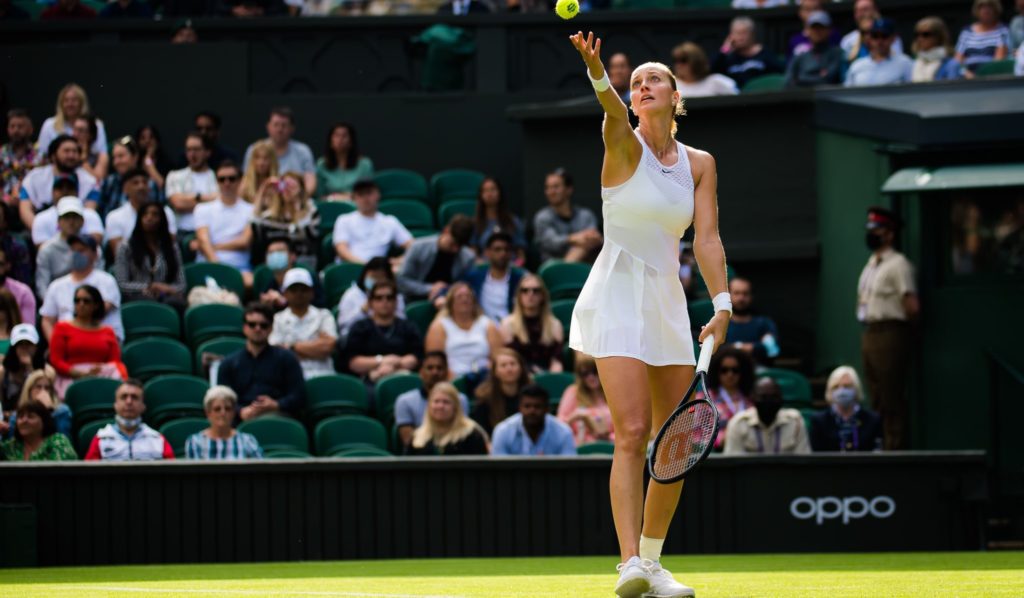
That victory was not just a statistical achievement; it announced the arrival of a player with a unique aesthetic on the court. Her fluid movement and decisive shot-making created a visual spectacle that captivated audiences. She followed this success with a second Wimbledon title in 2014 and an Olympic bronze medal in Rio in 2016, solidifying her status as a global sports icon. For more context on dominant left-handed players, readers often compare her impact to that of Maria Sharapova, another legend who combined power with a distinct personal brand.
Resilience and the Road to Recovery
The narrative of Petra’s career took a dramatic turn in late 2016. A traumatic incident at her home resulted in severe injuries to her playing hand, threatening to end her career prematurely. The tennis world watched with bated breath as she underwent surgery and rehabilitation. Defying expectations, she returned to competition in May 2017, merely months after the attack.
Her return was nothing short of heroic. Winning the title in Birmingham shortly after her comeback demonstrated a mental fortitude that resonated deeply with fans. This period highlighted a different kind of beauty in her story: the strength of character required to overcome adversity. Her ability to reclaim her place among the elite, eventually reaching the Australian Open final in 2019, added a layer of depth to her public persona that went far beyond physical appearance.
Fashion Evolution and Court Style
Over the years, Petra’s on-court fashion has evolved from standard athletic wear to more tailored, sophisticated designs. While she has often favored classic lines and solid colors that reflect her no-nonsense approach to the game, recent seasons have seen her experiment with bolder patterns and cuts during practice sessions and tournaments. Her style is frequently described as chic yet functional, prioritizing comfort without sacrificing elegance.
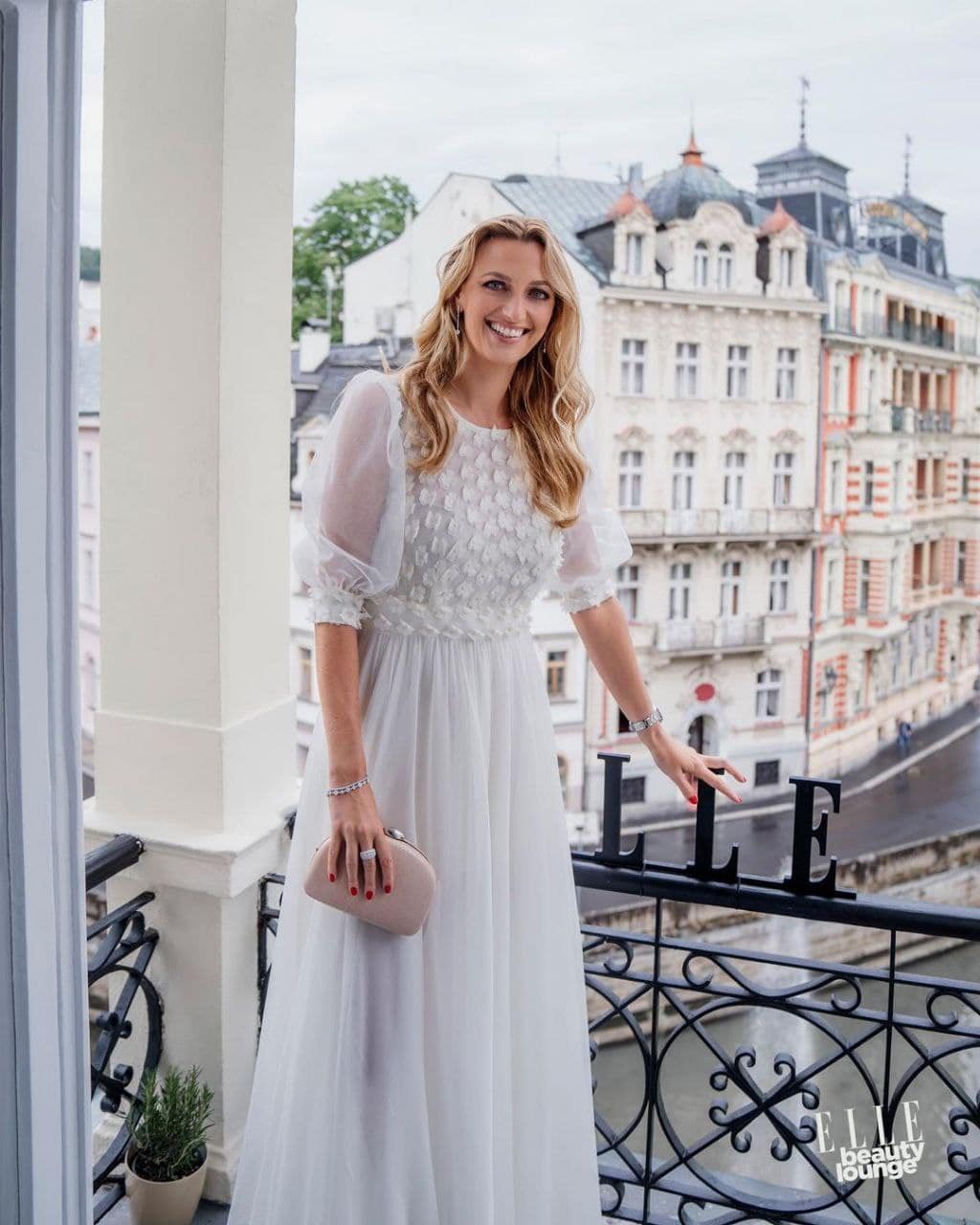
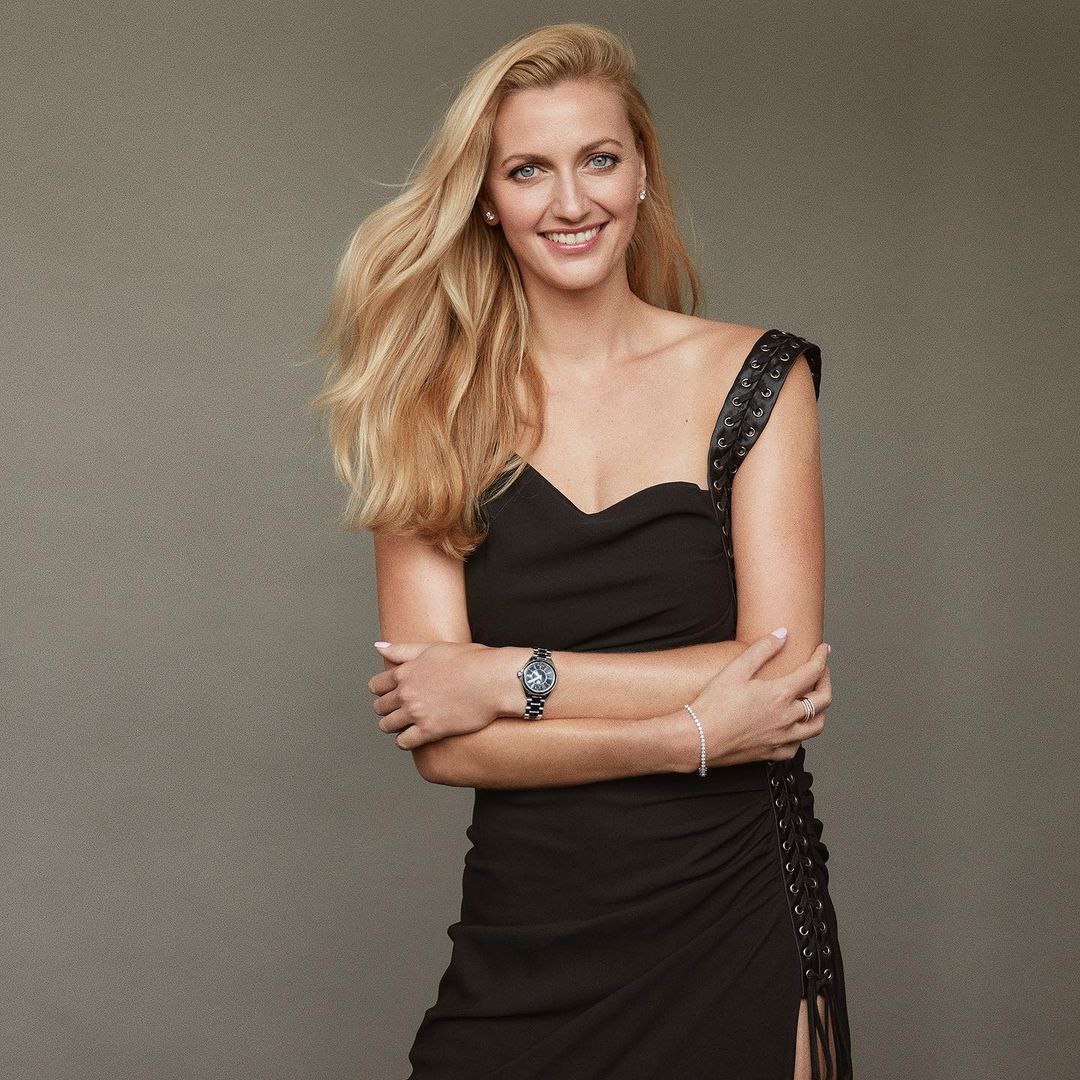
Unlike some peers who lean heavily into flashy trends, Petra’s look often exudes a quiet confidence. Whether she is wearing a sleek dress for a night match or a modern tracksuit for training, her outfits complement her tall, athletic frame. This approach to tennis fashion aligns her with other stylish competitors like Elina Svitolina and Karolina Muchova, who also balance performance needs with contemporary aesthetics. Her red carpet appearances at player parties further showcase her ability to transition seamlessly from athlete to fashion icon.
Life Beyond the Baseline
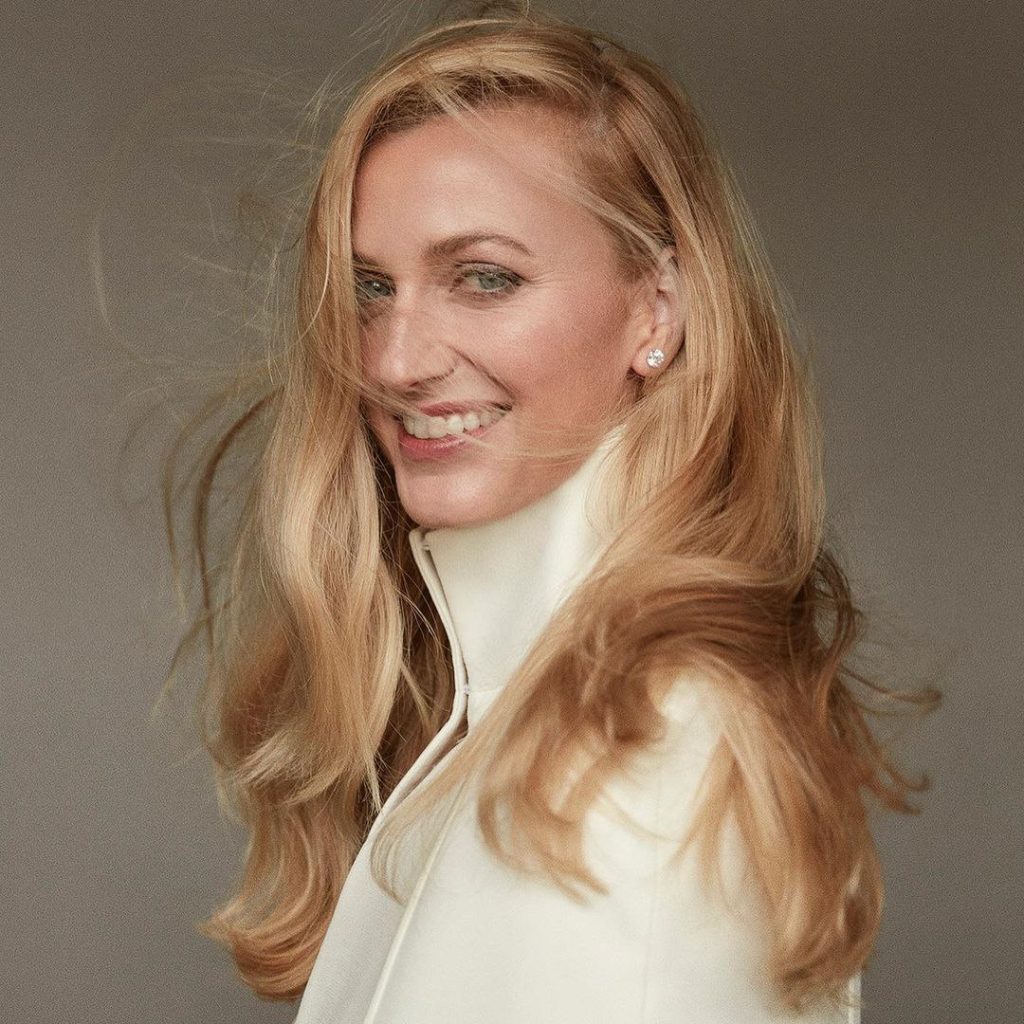
Away from the spotlight of the stadium, Petra maintains a relatively private life, which only adds to her allure. She is known to enjoy time in nature and has shared glimpses of her vacations and downtime on social media, often featuring relaxed, natural looks that contrast with her intense competitive demeanor. These moments provide fans with a glimpse into the person behind the player, emphasizing a lifestyle grounded in balance and recovery.
Her enduring presence in the Top 50 rankings well into her thirties is a testament to her dedication to fitness and wellness. As she continues to compete, the tennis community remains eager to see not only her match results but also her continued evolution as a style influencer. For those interested in the next generation of players making waves in both sport and style, profiles on Aryna Sabalenka and Belinda Bencic offer interesting comparisons in how modern athletes manage their public image.
Key Career Statistics
- Grand Slam Titles: 2 (Wimbledon 2011, 2014)
- Career High Ranking: World No. 2 (2011)
- Olympic Medals: Bronze (Rio 2016)
- Total Singles Titles: 28+
- Playing Style: Aggressive baseline, left-handed
Petra Kvitova remains a pillar of the WTA tour, admired as much for her fighting spirit as for her graceful presence. Her story is a reminder that true appeal in sports comes from a combination of talent, resilience, and the confidence to be oneself.
Photo gallery






Frequently Asked Questions
How many Grand Slam titles has Petra Kvitova won?
Petra Kvitova has won two Grand Slam singles titles, both at Wimbledon, in 2011 and 2014.
What is Petra Kvitova’s playing style?
She is known for an aggressive left-handed playing style, featuring a powerful serve and flat, penetrating groundstrokes that often overwhelm opponents.
Did Petra Kvitova win an Olympic medal?
Yes, she won the bronze medal in women’s singles at the 2016 Rio Olympic Games, representing the Czech Republic.
When did Petra Kvitova return to tennis after her injury?
Following a serious hand injury in late 2016, she made her comeback to the tour in May 2017, winning a title shortly after her return.
What is Petra Kvitova’s career-high ranking?
She achieved a career-high ranking of World No. 2 on October 31, 2011.