
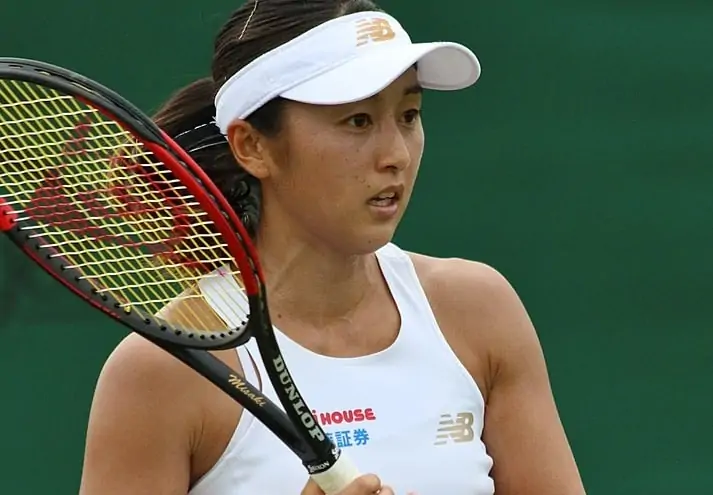
Misaki Doi remains one of the most recognizable figures in Japanese tennis, known not only for her competitive spirit but also for her distinct style on the court. With a career spanning over a decade at the professional level, she has carved out a legacy defined by resilience, technical skill, and a polished athletic aesthetic that resonates with fans worldwide.
From her early days as a junior prodigy to claiming multiple WTA trophies, Doi’s journey offers a compelling look at the dedication required to succeed in modern women’s tennis. Her ability to blend high-performance athletics with a confident personal style has made her a favorite subject for lifestyle coverage within the sport.
A Journey Through the Ranks
Born in Oamishirasato, Japan, in 1991, Misaki Doi picked up a racket at the age of three, setting the stage for a lifelong commitment to the sport. Her junior career was marked by significant achievements, including runner-up finishes at the Japan Open Junior Championships and reaching doubles finals at both Wimbledon and the Australian Open alongside partners like Kurumi Nara and Elena Bogdan.
Transitioning to the professional circuit, Doi quickly made her mark on the ITF tour, securing her first title in Kofu in 2009. Her steady climb continued through 2010, where she captured higher-level ITF titles in Tokyo and Toyota, demonstrating the consistency that would later define her WTA career. By 2011, she was regularly competing in main draws of major tournaments, including a notable third-round appearance at Wimbledon.
Her breakthrough moments on the WTA tour began to accumulate in the early 2010s. A quarter-final run in Birmingham in 2012 signaled her potential against top-tier competition. However, it was her victory at the BGL BNP Paribas Luxembourg Open in 2015 that cemented her status as a title contender, where she defeated Mona Barthel in the final.
Championship Moments and Peak Performance
Following her first major title, Doi continued to challenge the world’s best. In 2016, she reached the final of the Taiwan Open, pushing legendary player Venus Williams before settling for the runner-up spot. Later that year, she secured her second WTA-level trophy at the San Antonio Open, showcasing her versatility on hard courts with a straight-sets victory over Anna-Lena Friedsam.
The 2016 season also featured one of her most memorable runs at a Premier Mandatory event. At the Internazionali BNL d’Italia in Rome, Doi navigated a difficult draw to reach the quarter-finals. Her performance at Wimbledon that same year was equally impressive, where she advanced to the fourth round after a significant win over Karolina Pliskova, eventually falling to Angelique Kerber.
Even as the tour evolved with a new generation of power hitters, Doi maintained her relevance. She added a third WTA 125 title at the Nordea Open in 2019 and reached the final of the Japan Women’s Open in Hiroshima. Her consistency allowed her to achieve a career-high singles ranking of World No. 30, a testament to her longevity and adaptability.
Fashion and On-Court Style
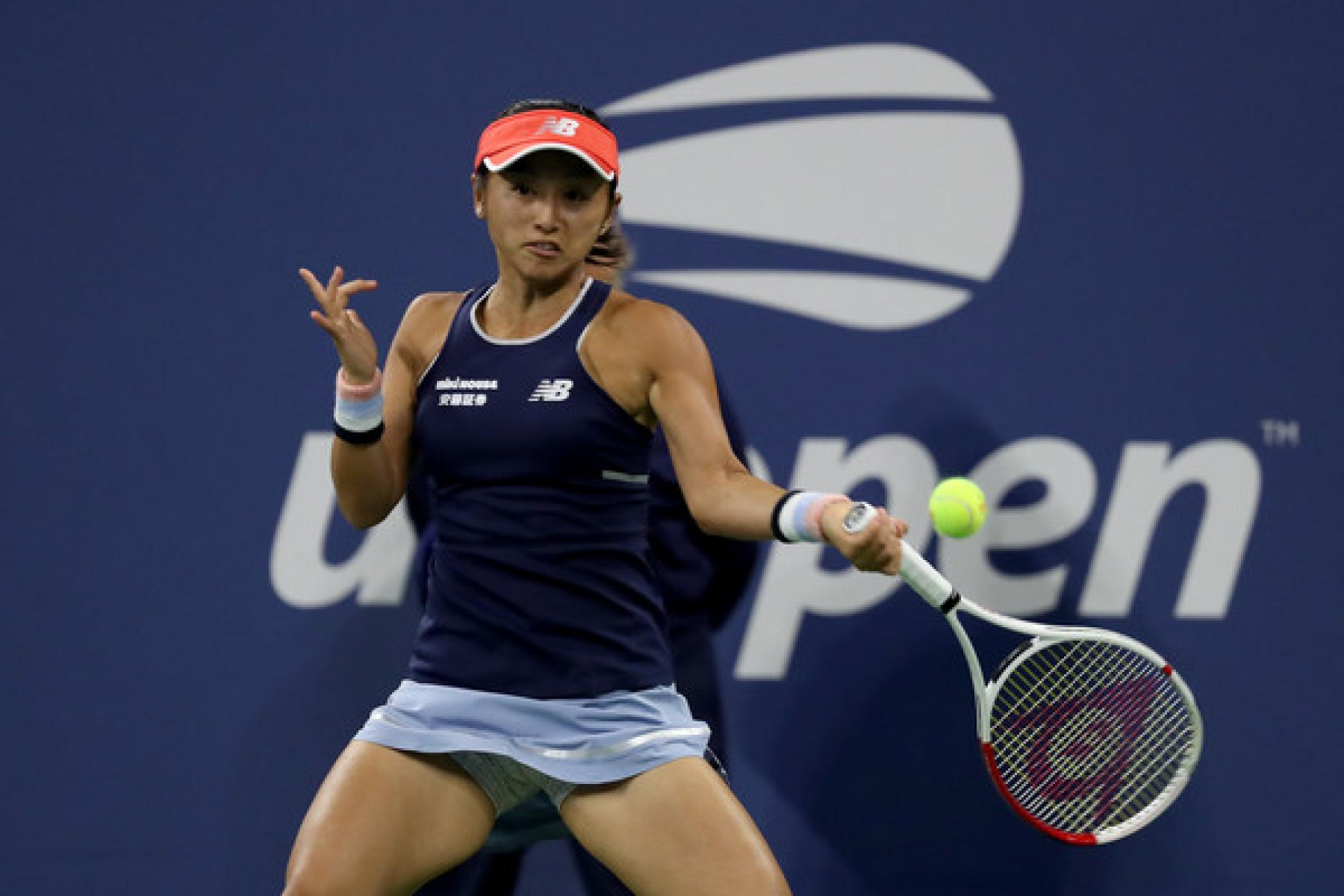
Beyond the scoreboard, Misaki Doi has been noted for her sophisticated approach to tennis fashion. Japanese players often bring a unique sense of detail to their match attire, and Doi is no exception. Throughout her career, she has favored clean lines, functional yet flattering cuts, and a color palette that ranges from classic whites to vibrant seasonal hues.
Her practice outfits often reflect a balance between comfort and modern trends, utilizing moisture-wicking fabrics that allow for unrestricted movement during intense training sessions. Whether competing in the humidity of Miami or the cool breezes of Europe, her choice of visors, wristbands, and footwear demonstrates a keen eye for coordinating performance gear with personal flair.
Fans often appreciate how her style evolves without compromising athleticism. From the structured skirts of her early tours to the more streamlined silhouettes of recent seasons, Doi’s wardrobe choices mirror the evolution of women’s tennis apparel toward greater freedom of movement and individual expression. For those interested in similar styles, looking at the fashion choices of players like Naomi Osaka or Kimiko Date provides further context on Japanese tennis aesthetics.
Legacy and Influence
Misaki Doi’s impact extends beyond her trophy cabinet. As a consistent representative of Japan on the global stage, she has inspired a younger generation of players in Asia to pursue professional careers. Her path from the ITF circuit to the top 30 illustrates that patience and incremental improvement can yield substantial rewards.
While she has faced injuries and periods of ranking fluctuation, her returns to competition have always been met with support from a loyal fanbase. Her presence in tournaments adds depth to the draw and ensures high-quality matches that highlight tactical nuance over pure power.
As she continues to compete or transitions into new roles within the sport, Misaki Doi stands as a symbol of elegance and determination. Her career serves as a reminder that style and substance can coexist at the highest levels of professional athletics. For more insights into players who combine fashion with formidable gameplay, explore the profiles of Elina Svitolina and Belinda Bencic.
Photo gallery









Frequently Asked Questions
What is Misaki Doi’s highest WTA ranking?
Misaki Doi achieved a career-high singles ranking of World No. 30. In doubles, she reached a peak ranking of No. 78.
How many WTA titles has Misaki Doi won?
She has won three WTA-level titles, including one WTA 250 event in Luxembourg and two WTA 125 tournaments in San Antonio and Bastad.
When did Misaki Doi start playing tennis?
Doi began playing tennis at the age of three and turned professional after a successful junior career that included Grand Slam doubles finals.
What is Misaki Doi known for stylistically?
She is known for her polished and functional on-court attire, often featuring clean designs and coordinated accessories that reflect modern tennis fashion trends.